

In today’s evolving workplace, the office is no longer just a functional setting; it is an experience. Organisations are increasingly recognising that physical environments play a powerful role in shaping culture, influencing behaviour, and communicating identity. This is where environmental graphics come into play. Beyond decorative elements, environmental graphic designs transform corporate offices into immersive, meaningful spaces that reflect a company’s ethos while enhancing employee engagement and the visitor experience.
What Are Environmental Graphics?
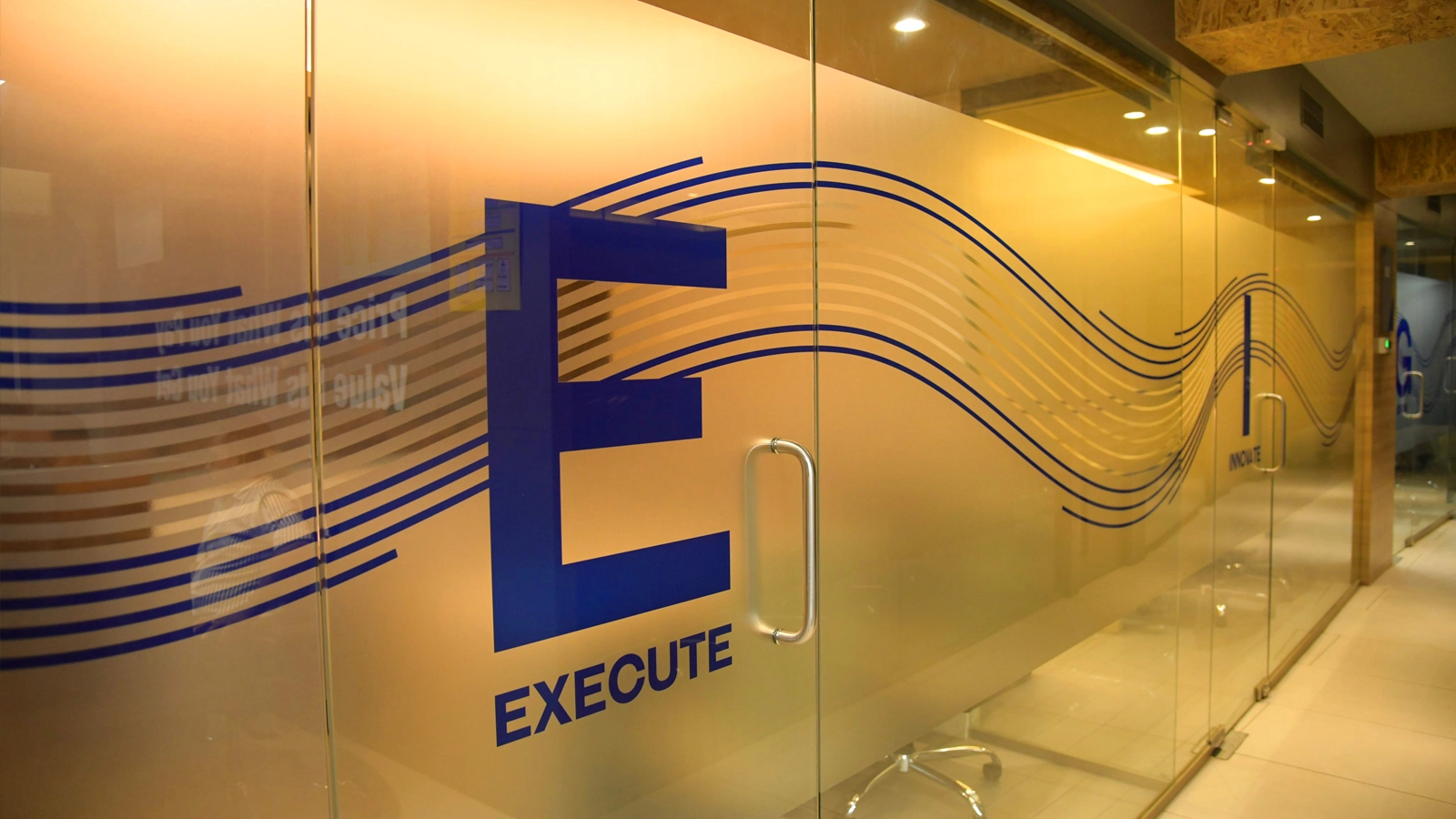
Environmental graphics, also known as experiential or spatial graphics, use visual elements to shape physical spaces. Designers create wall graphics, signage systems, wayfinding solutions, murals, installations, typography, and digital displays. Unlike traditional graphic design, which typically appears on screens or print, environmental graphics engage with architecture and interiors to build a cohesive spatial narrative.
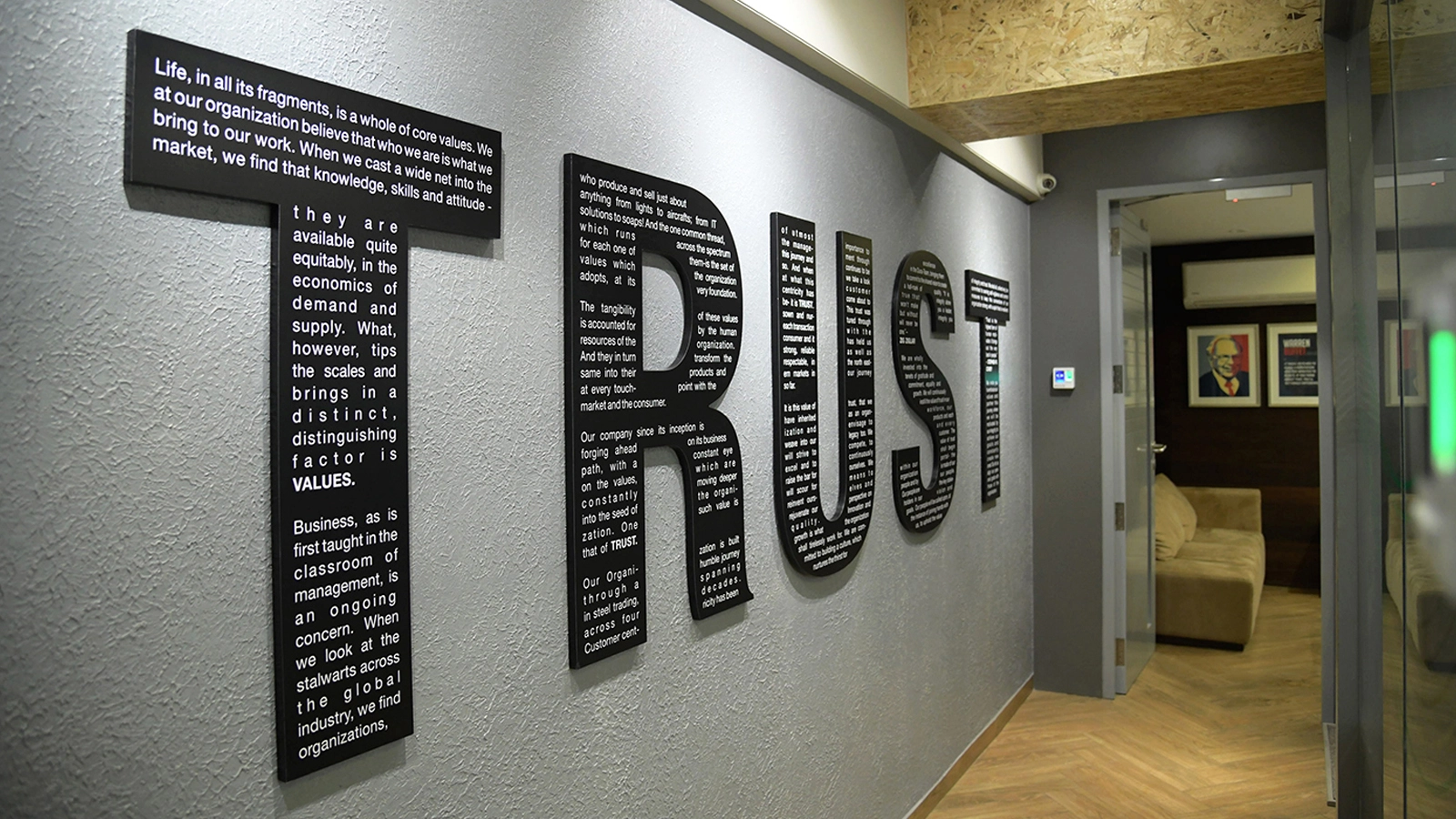
In corporate offices, environmental graphics bridge brand identity and physical space. They ensure that every part of the workplace, from reception areas to meeting rooms and corridors, delivers a consistent, compelling story.
Why Environmental Graphics Matter in Corporate Offices
- Reinforcing Brand Identity
A well-designed office should feel like an extension of the brand itself. Environmental graphics bring brand values, vision, and personality to life in tangible ways. Through the thoughtful use of colours, typography, imagery, and messaging, companies can create spaces that are unmistakably their own. Whether it’s a bold, dynamic startup or a refined, legacy corporation, environmental graphic designs help translate intangible brand elements into visible experiences.
- Enhancing Employee Engagement
Employees spend a significant portion of their day at work, making the office environment a critical factor in their overall experience. Inspiring visuals, motivational messaging, and thoughtfully curated graphics can positively influence mood, creativity, and productivity. Spaces that feel intentional and visually engaging often foster a stronger sense of belonging and pride among employees.
- Improving Wayfinding and Functionality
Beyond aesthetics, environmental graphics serve a highly practical purpose. Wayfinding systems such as directional signage, floor markers, and zoning graphics help people navigate large or complex office layouts with ease. Clear, intuitive navigation reduces confusion, saves time, and enhances overall workspace efficiency.
- Creating Memorable First Impressions
The reception area is often the first point of interaction for clients, partners, and potential employees. Environmental graphics in this space set the tone for the entire organisation. A striking feature wall, a well-crafted brand story, or a dynamic digital installation can leave a lasting impression and communicate professionalism, creativity, and attention to detail.
- Supporting Workplace Culture
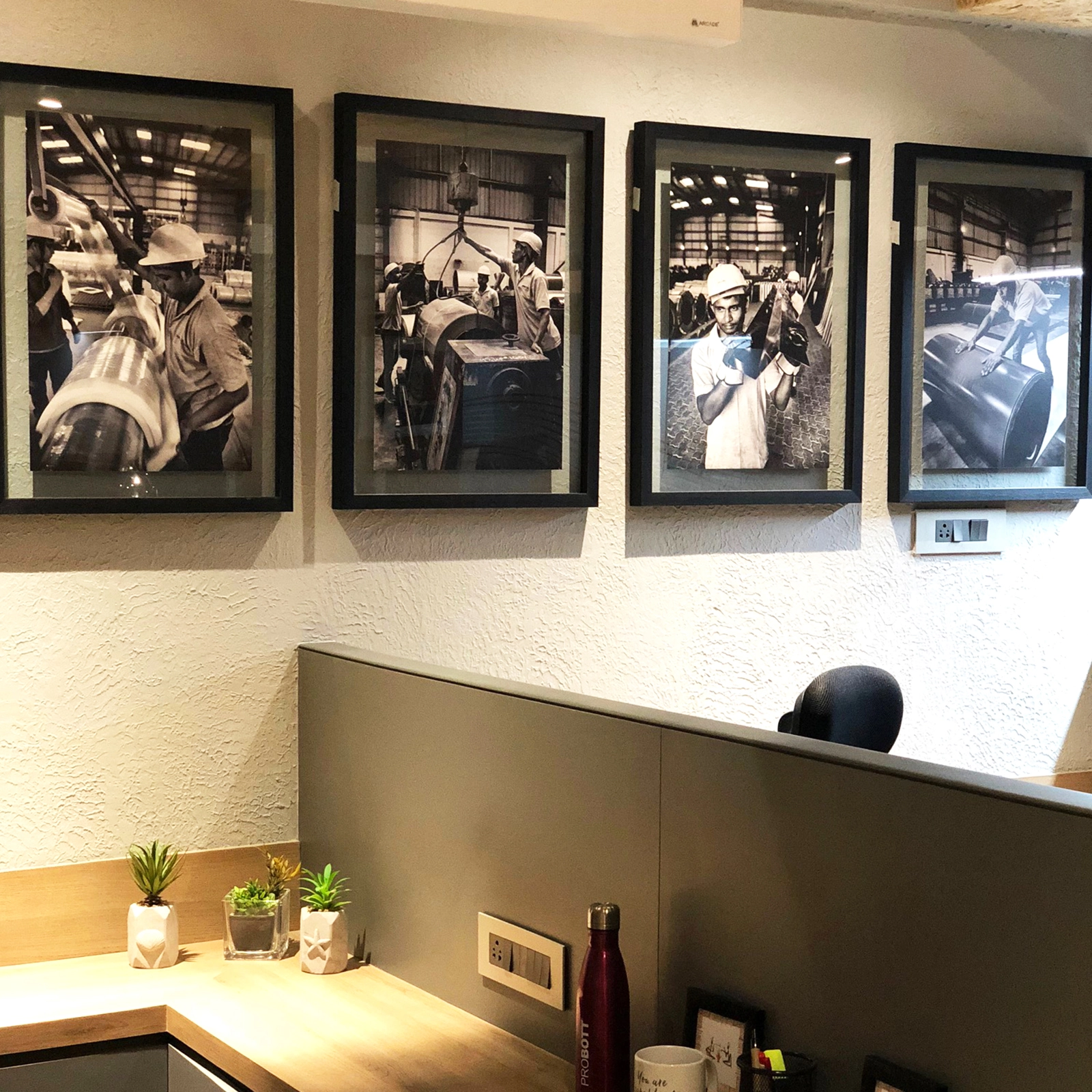
Every organisation has a unique culture, and environmental graphics can play a key role in expressing and reinforcing it. From showcasing company milestones and achievements to celebrating diversity and collaboration, graphics can reflect the company’s values. They can also be used to highlight team values, innovation journeys, or even employee contributions, making the workplace more personal and inclusive.
Key Elements of Effective Environmental Graphics
- Storytelling Through Design
At the heart of impactful environmental graphics lies storytelling. Rather than placing isolated design elements, successful spaces follow a narrative. This could be the company’s journey, its mission, or its vision for the future. When employees and visitors move through the office, they should experience a seamless story unfolding across different zones.
- Integration with Architecture
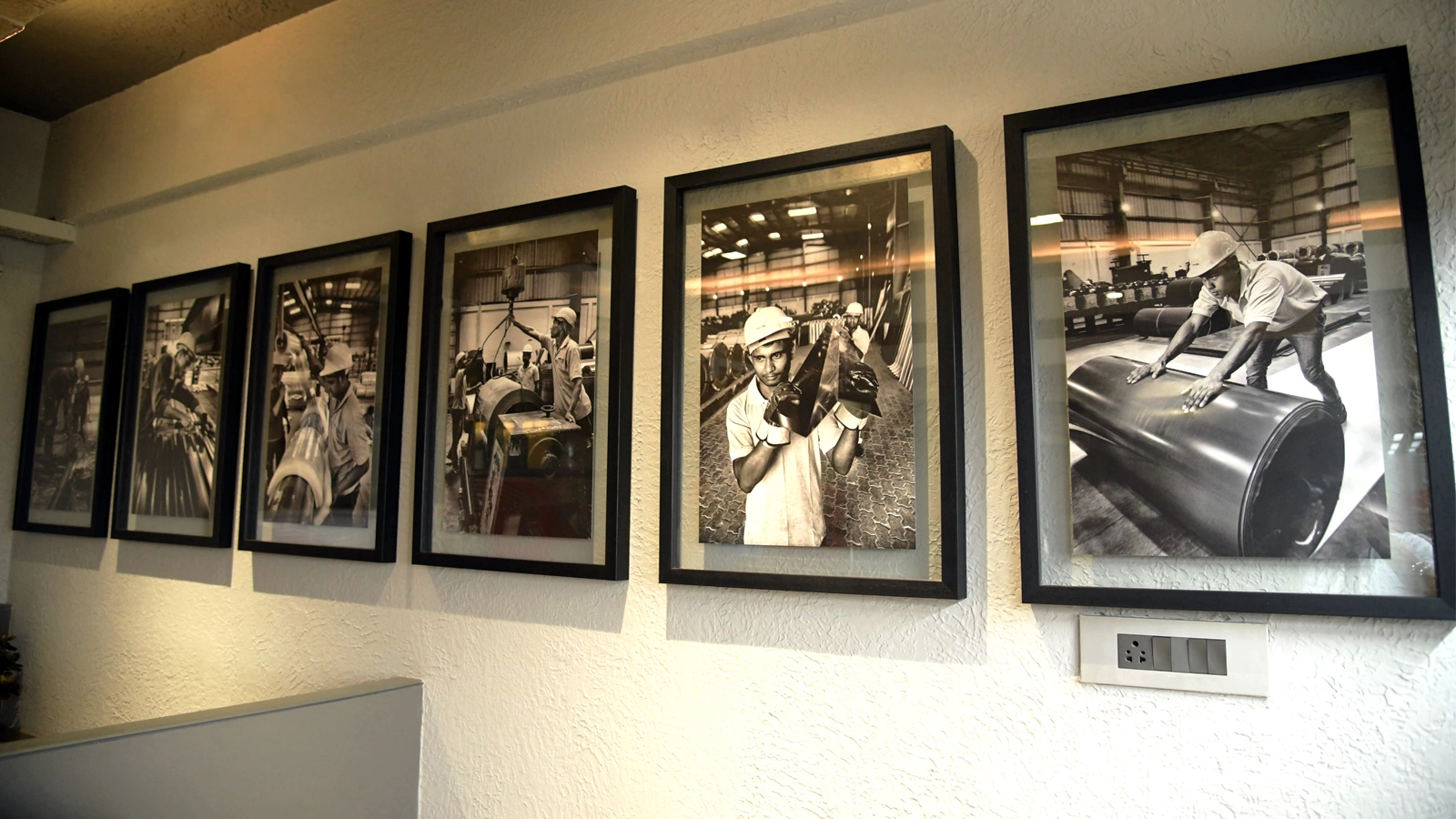
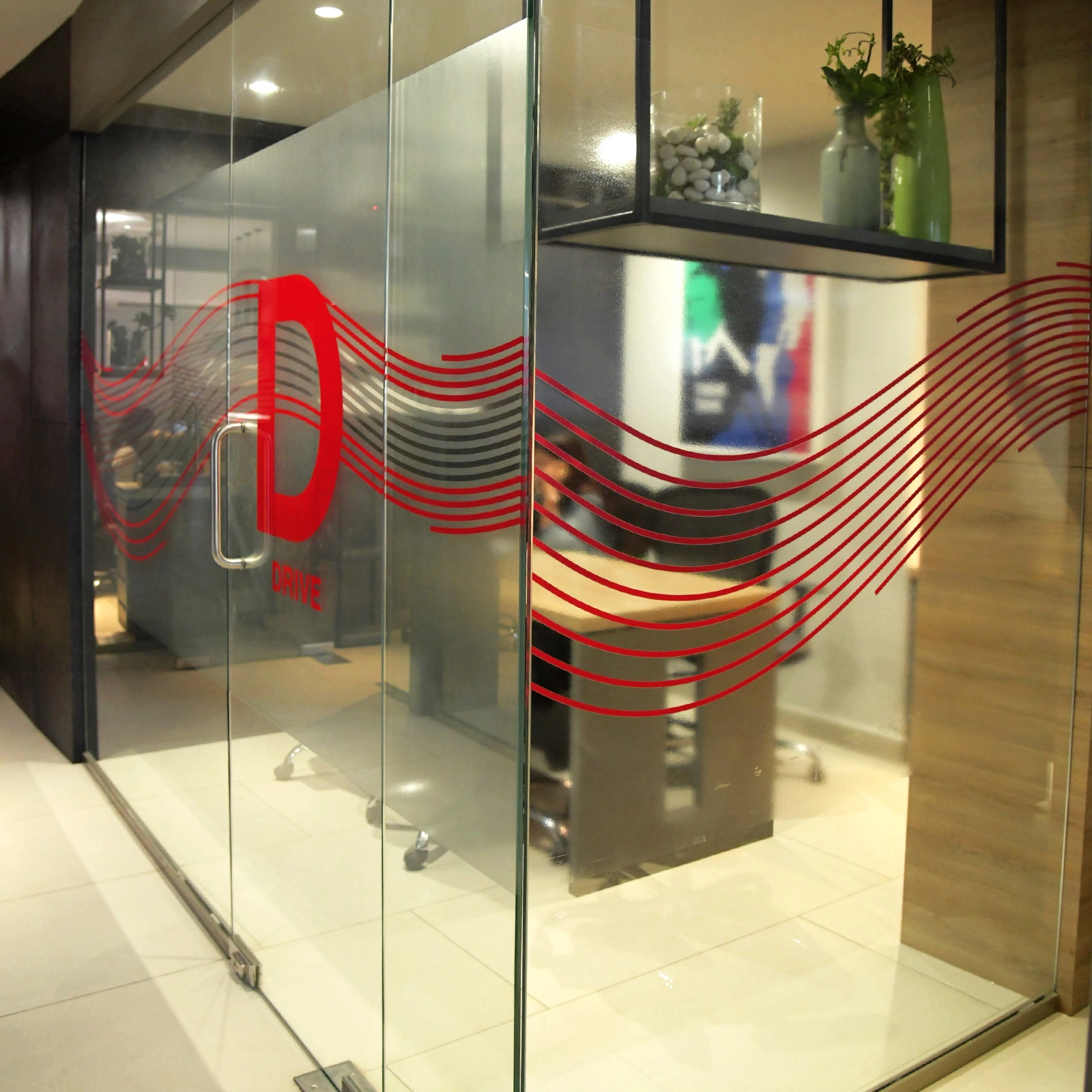
Environmental graphics are most effective when they are integrated with the architectural elements of the space. This means considering wall textures, lighting, materials, and spatial flow during the design process. Graphics should feel like a natural extension of the environment, not an afterthought.
- Consistency and Cohesion
A cohesive visual language is essential. This includes consistent use of brand colours, fonts, iconography, and tone of voice. While different areas of the office may have distinct themes, they should all connect back to a unified design system.
- Material and Finish Selection
The choice of materials significantly impacts the look and longevity of environmental graphics. Options can range from vinyl and acrylic to metal, wood, glass, and even fabric. The selection should align with the brand’s personality while also considering durability and maintenance.
- Use of Technology
Modern workplaces are increasingly incorporating digital elements into environmental graphics. LED screens, interactive displays, and projection mapping can add a dynamic layer to static designs. These technologies allow for real-time updates, making the environment more adaptable and engaging.
Applications Across Office Spaces
- Reception Areas: Feature walls, logo installations, and brand storytelling elements that establish identity.
- Workstations: Subtle graphics that inspire without overwhelming, such as patterns, quotes, or colour zoning.
- Meeting Rooms: Themed spaces that reflect different aspects of the brand or business functions.
- Corridors and Transition Spaces: Timeline graphics, infographics, or visual narratives that guide movement.
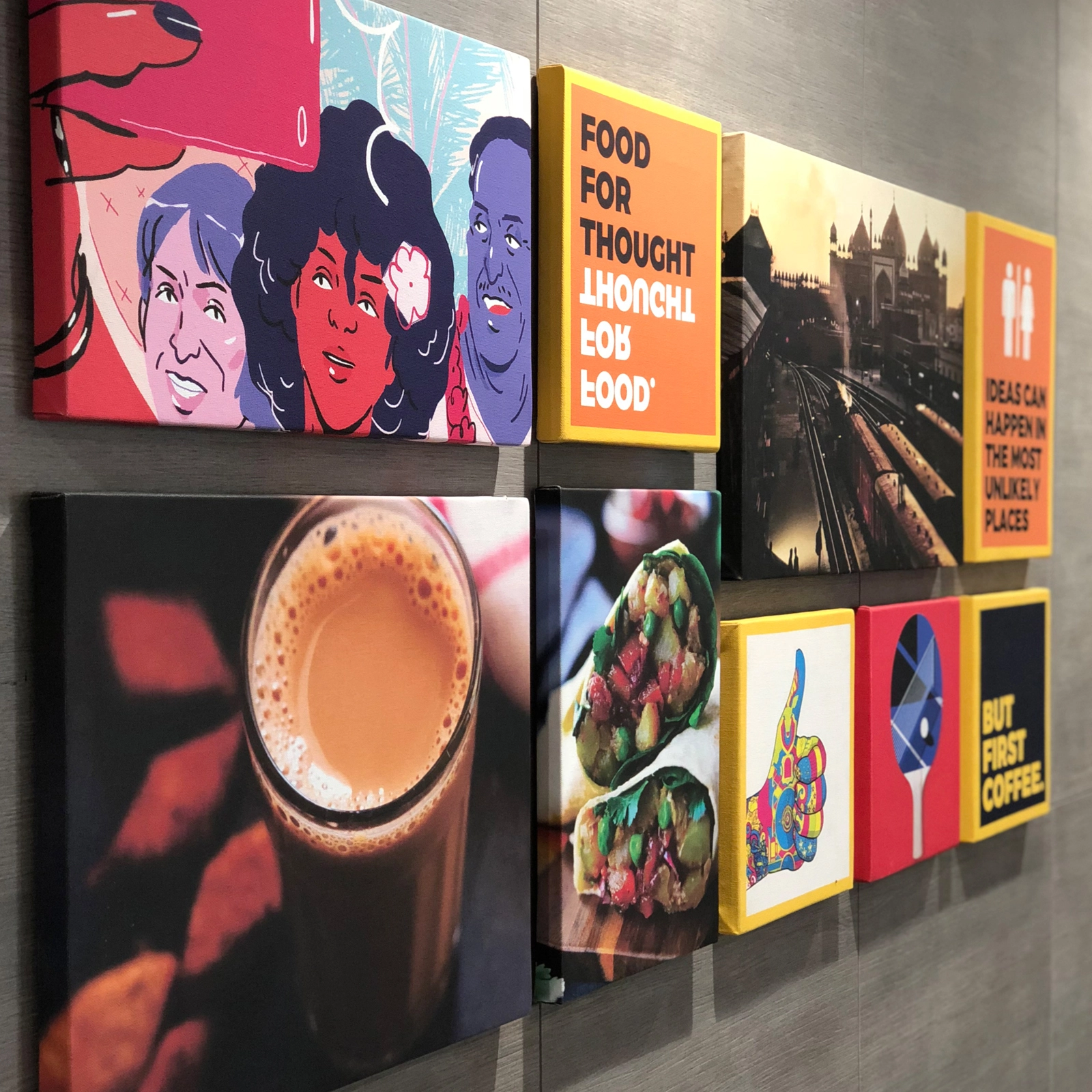
- Breakout Zones: Playful, relaxed visuals that encourage creativity and informal interaction.
Trends Shaping Environmental Graphics in Workplaces
- Biophilic Design Integration
There is a growing emphasis on connecting indoor spaces with nature. Environmental graphics now often incorporate natural textures, botanical illustrations, and organic forms to create calming, restorative environments.
- Minimalism with Impact
Clean, uncluttered designs with bold focal points are becoming increasingly popular. Instead of overcrowding spaces with information, designers are focusing on high-impact visuals that communicate clearly and effectively.
- Localisation and Cultural Context
Global companies are embracing local culture within their office spaces. Environmental graphics are being used to reflect regional identity, traditions, and artistic influences, making offices feel more connected to their surroundings.
- Sustainability
As sustainability becomes a priority, there is a shift towards eco-friendly materials and processes. Recyclable substrates, low-VOC inks, and modular designs that can be updated without complete replacement are gaining traction.
- Interactive and Immersive Experiences
Offices are moving towards experiential environments where users can interact with the space. This includes augmented reality elements, touch-enabled displays, and immersive installations that go beyond static visuals.
Challenges and Considerations
Environmental graphic designs can transform a space, but achieving meaningful impact demands careful planning and execution. Poorly designed graphics can lead to visual clutter, miscommunication, or even brand dilution. It is essential to strike a balance between creativity and functionality. Collaboration between designers, architects, and stakeholders is key to ensuring that the final outcome aligns with both aesthetic and operational goals
Budget constraints, timelines, and scalability are also important factors to consider. Investing in high-quality design and materials upfront often leads to better long-term value, reducing the need for frequent updates or replacements.
The Future of Narrative Workspace
Environmental graphics are redefining the way corporate offices are designed and experienced. They go beyond decoration to become strategic tools that communicate identity, enhance functionality, and shape workplace culture. In an era where employee experience and brand perception are more important than ever, thoughtfully designed environments can make a significant difference.
By integrating storytelling, design, and technology, environmental graphics turn ordinary office spaces into vibrant, meaningful environments. They ensure that every wall, corridor, and corner contributes to a larger narrative, one that reflects the organisation’s vision and inspires everyone who walks through its doors.
FAQs
- How early should environmental graphics be planned in an office design project?
Environmental graphics should be planned at the concept stage. Integrating them with architecture and interior design ensures seamless results, avoids retrofitting, and aligns with spatial flow, lighting, and materials. - Can environmental graphics evolve as a company grows or rebrands?
Yes, well-designed environmental graphics are flexible. Modular designs, digital installations, and adaptable materials let organisations update messaging, visuals, or branding elements without a full overhaul. - How do environmental graphics impact employee productivity and well-being?
Thoughtfully designed graphics can influence mood, reduce stress, and improve focus. Elements such as calming visuals, clear wayfinding, and inspiring messaging contribute to a more intuitive, emotionally engaging workspace, which can positively affect productivity and satisfaction. - What is the balance between branding and subtlety in office graphics?
The key lies in strategic placement and hierarchy. Not every surface needs to be branded. High-impact areas like reception zones can carry strong brand messaging, while workspaces benefit from more subtle, supportive visuals that enhance rather than overwhelm the environment. - Are environmental graphics suitable for smaller office spaces?
Absolutely. In smaller offices, environmental graphics can be even more impactful. They can create the illusion of space, define zones without physical partitions, and reinforce brand identity without requiring large-scale architectural interventions. - How do you measure the success of environmental graphics in a workplace?
Success can be evaluated through both qualitative and quantitative factors, employee feedback, ease of navigation, visitor impressions, and overall engagement with the space. Over time, improved workplace satisfaction and stronger brand recall are key indicators of effectiveness.
For more information, please visit ohdesignstudio.com and follow OH! Design Studio on LinkedIn, Facebook, Twitter, and Instagram.