
In today’s competitive, visually driven world, a brand has only seconds to make an impression. Before a customer reads a single sentence or engages with a product, they encounter something more immediate – the visual identity. It is the first point of connection, the silent introduction, and often, the lasting memory. Visual identity is not simply about appearance. It is about perception, emotion, and meaning. It has to be approached as the foundation of brand storytelling because the most powerful brands are not just recognised visually, they are remembered emotionally.
What Is Visual Identity Design?
Visual identity design is often misunderstood as the creation of a logo or the selection of brand colours. While these are important components, they are only fragments of a much larger system. True visual identity encompasses typography, colour palettes, imagery, layout, graphic elements, and the overall design language that defines how a brand appears across every platform.
More importantly, visual identity expresses who the brand is. It communicates values without explanation, signals quality without justification, and creates a sense of familiarity long before trust is consciously formed. When visual identity is designed with intention, it becomes a strategic asset that shapes how audiences perceive and connect with the brand.
Visual Identity as the Foundation of Brand Narrative
Every brand has a story. Some communicate it through words. The most effective ones communicate it through design. Visual identity transforms abstract ideas such as innovation, heritage, luxury, or reliability into tangible form. Through carefully chosen typography, refined composition, and thoughtful use of space, design becomes narrative.
Consider Apple. Its minimalist visual identity reflects simplicity, clarity, and innovation. Every visual element reinforces the same philosophy. The consistency of its design language ensures that the brand experience feels intentional and cohesive across every touchpoint.
Similarly, Nike conveys energy, movement, and ambition through its bold, dynamic visual identity. The design does not merely identify the brand; it embodies its spirit. This is the power of visual identity. It allows audiences to feel the brand before they fully understand it.
Why Consistency Is Critical in Brand Identity Design
Consistency is what transforms visual identity into brand memory. When a brand maintains a cohesive visual language across its website, social media, packaging, brochures, and physical spaces, it creates recognition. Recognition builds familiarity. Familiarity builds trust.
Inconsistent visuals, on the other hand, create confusion. They weaken perception and dilute brand authority. A strong visual identity system ensures that every interaction reinforces the same narrative. Whether a customer encounters the brand online, in print, or in person, the experience feels unified.
This consistency is especially important for businesses seeking to position themselves as premium or industry leaders. Visual coherence signals professionalism, stability, and intention.
How Visual Identity Influences Brand Perception
Design shapes perception instantly and subconsciously. People often form opinions about a brand within moments of seeing it.
Typography can suggest heritage or modernity. Colour can evoke warmth, confidence, or sophistication. Layout can communicate clarity, elegance, or dynamism. These visual cues influence how audiences evaluate credibility and quality.
For example, luxury brands often use restrained colour palettes, elegant typography, and refined layouts to communicate exclusivity and timelessness. Technology companies often use clean, minimal design to communicate innovation and efficiency.
Brand visual identity acts as a psychological signal. It helps audiences understand where the brand belongs and why it matters.
Beyond the Logo: Creating a Complete Brand Identity System
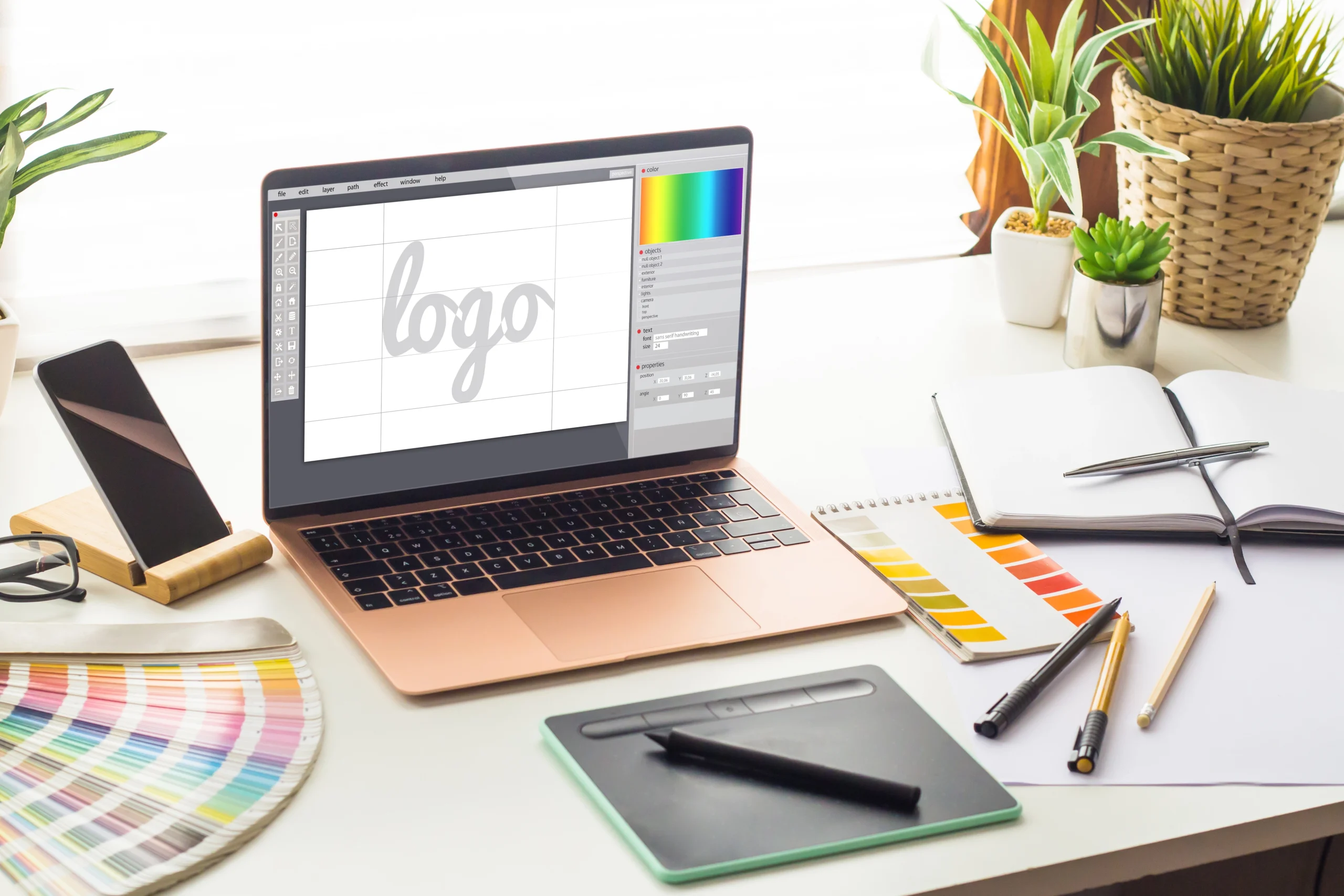
A logo alone cannot carry a brand narrative. It must exist within a comprehensive identity system.
This system includes:
- Primary and secondary typography
- Brand colour palette
- Image style and visual tone
- Graphic motifs and patterns
- Layout principles
- Brand guidelines for consistency
Together, these elements create a cohesive visual ecosystem. This ensures that as the brand grows and evolves, its identity remains recognisable and meaningful. Professional brand identity design provides structure and clarity, enabling brands to communicate confidently across all media.
Visual Identity as a Strategic Business Investment
Brand visual identity is not merely a creative exercise. It is a strategic investment in brand growth.
A well-designed visual identity helps businesses:
- Establish credibility and professionalism
- Differentiate from competitors
- Attract the right audience
- Enhance brand recall and recognition
- Strengthen customer trust and loyalty
- Support long-term brand positioning
In crowded markets, perception often determines success. Businesses with strong visual identities are more likely to be remembered, trusted, and chosen. This is particularly important for premium brands, real estate developers, corporate organisations, and luxury businesses, where perception plays a critical role in decision-making.
The Emotional Power of Design in Branding
Beyond strategy and structure, visual brand identity creates emotional connection.
People are drawn to brands that feel intentional and authentic. Design communicates care, attention, and purpose. It signals that the brand values quality not only in its products and services but also in its presence. This emotional dimension is what transforms brands into experiences. When identity is designed meaningfully, audiences begin to associate the brand with specific feelings, such as confidence, aspiration, trust, or inspiration. Over time, these associations become part of the brand’s legacy.

The Role of a Brand Identity Design Studio
Creating a meaningful visual brand identity requires more than creative skill. It requires understanding, strategy, and clarity of vision. A professional brand identity design studio helps translate a brand’s purpose into visual form. Through research, conceptual development, and thoughtful execution, the identity becomes aligned with the brand’s long-term ambitions.
Identity design should be approached as a process of discovery and expression. Each project should begin with understanding the brand’s essence and conclude with a visual system that reflects its character with clarity and sophistication. The result is not just a design but a foundation for growth.
Building Brands That Endure
Trends may change, but meaning endures. A strong visual identity allows brands to evolve while remaining recognisable. It creates continuity across time, ensuring that the brand remains relevant without losing its essence. The most respected brands understand that visual identity is not temporary. It is foundational. It is the bridge between who the brand is and how it is perceived. It is the difference between being seen and being remembered.
For more information, please visit ohdesignstudio.com and follow OH! Design Studio on LinkedIn, Facebook, Twitter, and Instagram.